SHARE:
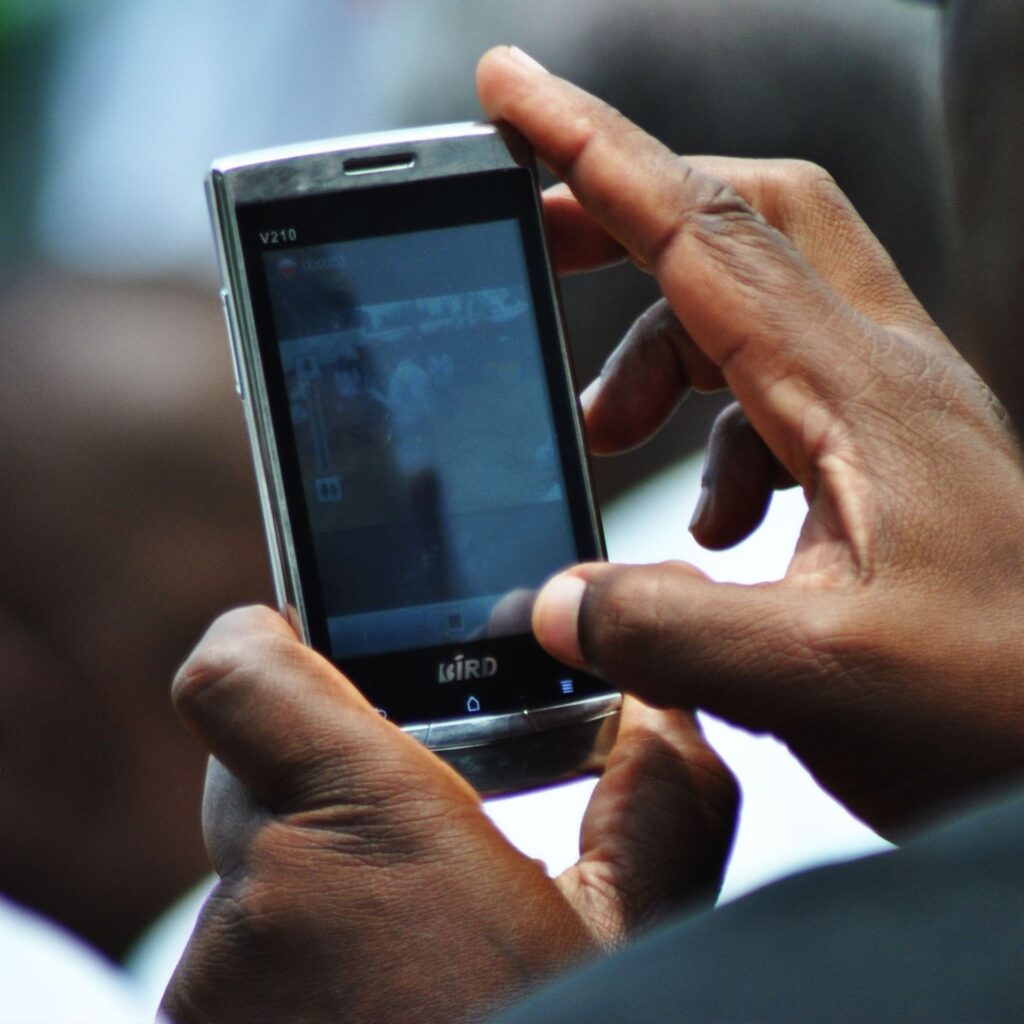
If you use your cell phone to document abuses by ICE, Border Patrol or local police and then post those videos to social media, think long and hard about taking that same phone to activist meetings later.
In police state settings, not only can what’s on your phone be accessed by the authorities if you’re arrested or detained, but it can also implicate fellow activists without their knowledge. So when attending subsequent meetings for future action, leave your phone at home. Otherwise, deactivate any of your phone’s potentials to inadvertently record or monitor what happens or is said at such gatherings.
Basically, what’s on your phone can be accessed by government agents once you are identified as a “domestic terrorist” just for protesting. A search warrant would normally be required to search your phone if agents followed the U.S. Supreme Court’s 2014 ruling in the Riley v. California case. But there are loopholes. If you’re detained by ICE or other law enforcement, on trumped up charges, they can legally take your phone and look at anything on it… including what you say or share with friends, and who those friends are.
An article in Wired Magazine quotes Jackie Zammuto, associate director of the non-profit Witness, as suggesting the best option might be to use a second, or “burner” phone, for recording and sharing videos of law enforcement abuses. That way, government monitoring of what’s on your alternative phone won’t allow easy access to your every day device.
In the Wired article Zammuto advises that if you take your regular phone to a protest, turn off the phone’s biometrics and disable the Face ID feature, using a unique password or PIN instead. That way the person who confiscates your phone can’t use it to search what’s there unless you allow it.
In South Africa’s police state during the apartheid era, I was stunned to realize that by simply entering the country at a border crossing, anything that I had with me, such as notebooks with names and addresses for the people I wanted to see, were read and recorded by police who then tried to track me for months. I felt assaulted and guilty that I may have put other people in danger and increased surveillance of them.
In the USA today, the government’s digital surveillance capabilities are thousands of times more powerful. Today, the U.S. Constitution’s Fourth Amendment protections against searches and seizures do not apply at U.S. border crossings. Your phone’s data can be downloaded by authorities against your will, and if they use it, their Advanced Forensic Search software can probably break any encryption. Beyond that, anywhere in the United States, and probably anywhere in the world, data from your cellphone can be accessed when authorities bypass rules requiring a search warrant by buying data about your phone from commercial data brokers.
JOIN THE GUARDRAIL SOCIETY
ARTICLES AND REFLECTIONS
UNETHICAL
Do you think you’re being tricked into spending more for the same items at the grocery store? Sometimes it’s “shrink-flation” Bigger cereal boxes with less inside them? Have you noticed an increase in deceptive advertising or marketing?. More scams coming to your email? Over all, have you noticed that more
WHAT TO DO IN A POLICE STATE
In a police state, which is a government’s systematic, pervasive surveillance and repression of citizens who oppose an authoritarian ruler, it’s as important to know what you should do as what you shouldn’t do. Of course, the autocrat insists on everyone’s complete obedience to his or her goals, objectives and
SHARE:
DISCLAIMER:
MEMBERSHIP OR AFFILIATION CONFIDENTIAL: No roster of Guard Rail Society members or affiliating individuals is maintained. Steps have been taken to maintain confidentiality of participants, given some citizens’ reasonable concerns about retaliation despite Constitutional protections. Participants’ experience derives from life in China, Iran and Venezuela, among other known centers of police state repression.